
Loading...
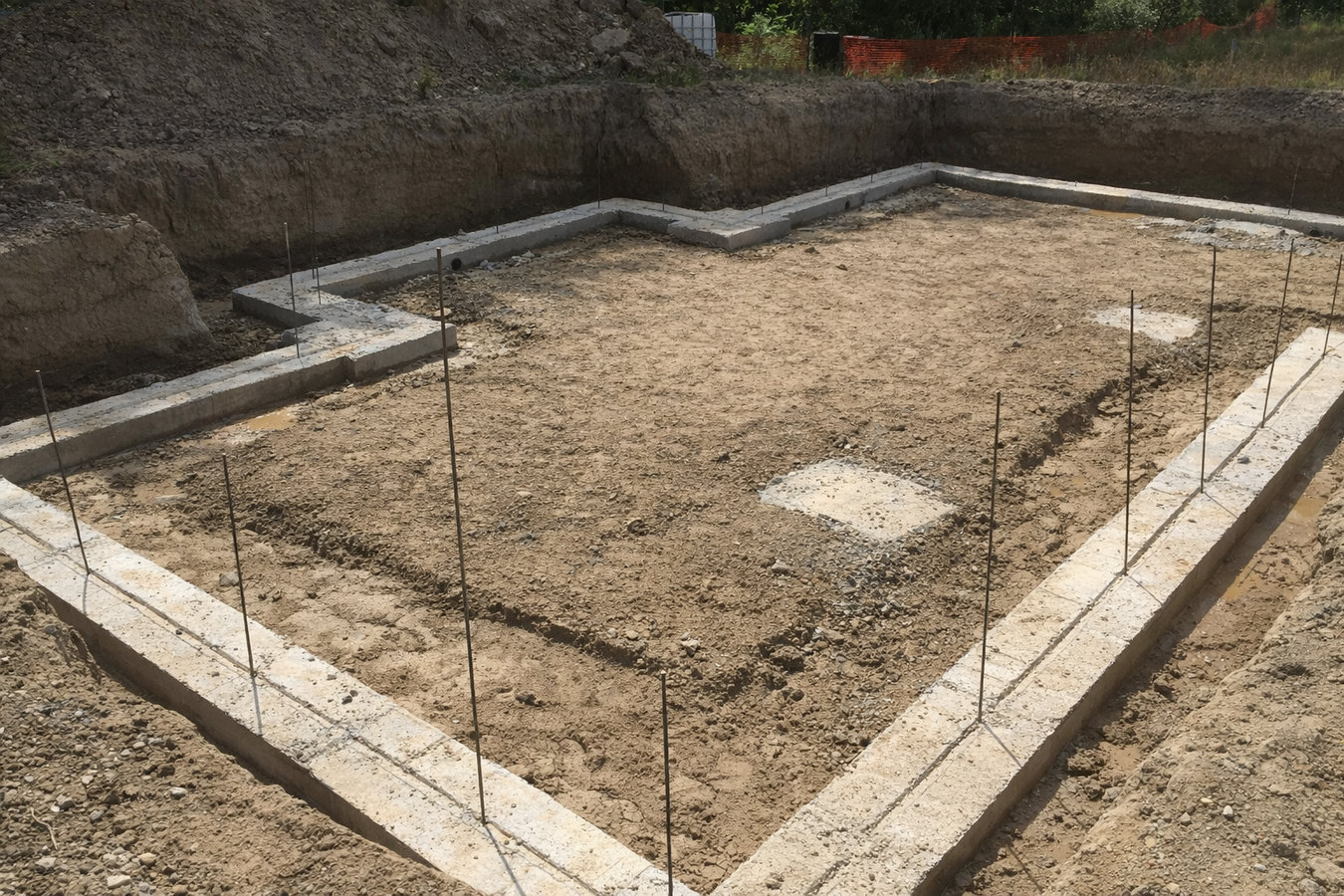
Building a deck, porch, or addition in St. Cloud and need footings that will not shift after the first hard winter? We pour below the frost line and handle the city permit and inspection.
Concrete footings in St. Cloud, MN are the buried concrete pads that hold up decks, porches, additions, and other structures - each footing must go 42 to 48 inches deep to stay below the local frost line, and most residential footing jobs take one to three days of active work followed by several days of curing before framing can begin.
Most homeowners contact us when they are planning a new deck or porch, when an existing deck has started to tilt after a rough winter, or when an addition is being planned and they need the structural base work handled correctly from the start. In St. Cloud, a footing poured at the wrong depth is not just a code violation - it is a guarantee that the structure above it will shift, crack, or pull away from the house within a few years.
Footing work is often the first step before a larger project, and homeowners sometimes combine it with a foundation installation when building an addition or accessory structure. Getting the base of the project right from the start is always cheaper than fixing movement problems after framing is up.
If one corner of your deck sits lower than the others, or a gap has opened between your porch and the house, a footing has likely shifted from frost heave. This often follows a particularly harsh St. Cloud winter where the ground froze deep and then thawed fast in March. It does not always mean a full rebuild, but the footing underneath needs a professional look.
Horizontal or stair-step cracks in a basement wall, or a crack running across a concrete floor, can signal that a footing below is no longer doing its job evenly. This is especially worth watching in older St. Cloud homes - many built before 1980 were poured to older depth standards. A crack that is growing over time deserves a professional evaluation.
When a footing shifts even slightly, the structure above shifts too - sometimes just enough to throw a door frame out of square. If a door that swung freely now drags or a window now sticks, and there is no obvious water damage elsewhere, the footing is worth checking. This symptom is easy to dismiss, but it is one of the earlier warning signs.
Any new structure needs its own footings before construction begins. In St. Cloud, contractors book their schedules fast once the construction season opens in late April. Starting the conversation in late winter - even if the ground is still frozen - puts you ahead of the spring rush and ensures the project starts on time.
We handle the full footing scope - site visit and sizing, permit application to the City of St. Cloud, excavation to the correct frost depth, form setup, concrete pouring, leveling, and basic site cleanup. Before any digging starts, we coordinate utility marking through the 811 call-before-you-dig service as required by Minnesota law. We do not pour a single yard of concrete until the city inspector has confirmed the depth and dimensions are correct - that step protects both the homeowner and the project.
For homeowners building larger structures that also need full foundation walls, footing work pairs naturally with our foundation installation service. Doing both in the same mobilization ensures the footing and wall are poured to matching specs and that the permit and inspection timeline runs as one process rather than two. The American Concrete Institute publishes the footing design standards our crews use for residential and light commercial work.
The most common residential footing job in St. Cloud - sized and placed to carry the deck or porch load and buried well below the frost line so freeze-thaw cycles cannot push them up.
Right for homeowners adding a room addition, attached garage, or accessory structure where the new footings must be placed correctly before framing and foundation walls go up.
For decks, porches, or structures that have already shifted due to a footing poured too shallow, we remove and replace the footing at the correct depth so the structure stops moving.
Suited for property owners who need footings for bollards, retaining wall ends, or other site features where a concrete pad buried below the frost line is required for long-term stability.
The frost line in St. Cloud reaches roughly 42 to 48 inches in a hard winter - nearly four feet. That single fact shapes every residential footing project in this region. It means more excavation, more concrete, and more cost than the same project in a warmer state. It also means the work has to be done right, because a footing poured too shallow in St. Cloud will heave every spring and crack whatever sits on top within a few freeze-thaw cycles. The Minnesota Department of Labor and Industry sets the building code requirements that govern footing depth here, and the City of St. Cloud enforces them through the permit and inspection process.
Much of the St. Cloud area sits on glacial soils with significant clay content - these soils shift more when wet and frozen than sandy or gravelly ground, which means footings in this area sometimes need to be wider or better placed than in other parts of the state. Homeowners in Waite Park and St. Joseph face the same frost depth and soil conditions - the same requirements that make footing work in this region a job where local experience matters.
We come to your property, measure the project, assess soil conditions, and confirm the footing sizes and depth required. You will receive a written estimate - not a phone quote - before anything moves forward. We reply within one business day of your first contact.
Once you approve the estimate, we submit the building permit application to the City of St. Cloud. Plan for one to two weeks for permit processing during the busy season. We schedule the dig and pour date once the permit is approved - no digging happens without it.
The crew digs to the required depth - nearly four feet in St. Cloud - and calls for the city inspector to confirm the dimensions and depth before any concrete goes in. This step adds a day to the timeline but creates documented proof the work was done correctly.
After inspection approval, the concrete is poured and leveled. The footing needs three to seven days before framing or loading - in cooler St. Cloud spring weather, allow for the longer end of that range. We clean up the work zone before leaving, and we walk you through the cure timeline before the crew is done.
Free site visit and written estimate. We handle the permit and inspection - you never have to go to city hall.
(320) 426-1386St. Cloud's frost line sits at 42 to 48 inches - nearly four feet. Every footing we pour goes below that mark, which is the only way to prevent frost heave from shifting your deck or addition after the first hard winter. This is not optional work we cut to lower the bid - it is the minimum required to make the footing function correctly in this climate.
We submit the City of St. Cloud building permit application, coordinate the pre-pour inspection, and give you a project record that shows the work was inspected and approved before the concrete was buried. That documentation protects you when you sell the home. A contractor who suggests skipping the permit is one to walk away from.
We visit the site, look at soil conditions, and write a price that accounts for the actual depth and number of footings your project needs before you commit to anything. The number you approve is the number on the invoice. No scope changes after the excavator shows up.
St. Cloud's construction season runs roughly six months - late April through October. Contractors fill fast once the ground thaws. Homeowners who contact us in February or March lock in a spring start date. Waiting until May or June often means waiting until fall. The Minnesota DLI contractor license lookup lets you verify any contractor is current before you commit.
A footing buried four feet underground cannot be fixed without tearing apart the structure above it. Getting the depth, size, and placement right the first time - with a city inspection to confirm it - is the only way to protect a project this significant.
Lift and re-level a settled foundation when frost heave or soil movement has caused structural problems.
Learn more about Foundation RaisingFull residential foundation installation from excavation through waterproofing for new homes and additions.
Learn more about Foundation InstallationSt. Cloud contractors fill their calendars fast once the ground thaws - reach out now to lock in your start date and avoid waiting until fall.